VR UI designs and marketing content
VR Simulators:
Using Virtual Reality to make certificate training in heavy industries collaborative, engaging, and cost-effective. Building digital simulators for complex industries and replacing outdated learning facilities and classrooms with digital training solutions. Easily accessible, highly affordable, and provided by a simple subscription model.
Responsibilities:
My focus was on UI/UX designs for various VR projects, aiding in the development of a cross-platform learning management system, as well as the marketing content (print, website, SoMe, etc.)
Focus Area:
UX research & design, UI design, graphic design, web design, video editing, motion graphics
While I have helped out a lot in the development of a cross-platform learning management system, one of my focus for this specific project was creating the UI designs within the simulator for users to learn the needed procedures for an offshore wind turbine. I helped redesign the menu in a VR safety training and maintenance scenario for wind turbines. The original VR menu felt too foreign, with all options controlled through the VR controllers, which became overwhelming for first-time users. I proposed a design change to make the menu resemble a tablet interface, something users were already familiar with, given their regular use of laptops and pen-and-paper methods. This change significantly reduced the learning curve for new users, enabling them to focus more on the training content rather than getting distracted by unfamiliar technology. This approach highlights the importance of keeping the end user’s experience at the forefront. By designing with user behavior and comfort in mind, rather than focusing purely on aesthetics, it ensured smoother transitions to new technologies and improve overall engagement. In this case, users were able to spend more time absorbing crucial safety and maintenance knowledge, rather than struggling with navigation. I believe adopting this mindset of aligning design with consumer behaviors and needs, where research and testing was planned and executed to make thoughtful adjustments based on their familiarity and preferences, ensures an innovative, user-centered solution.
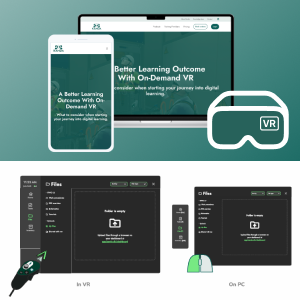
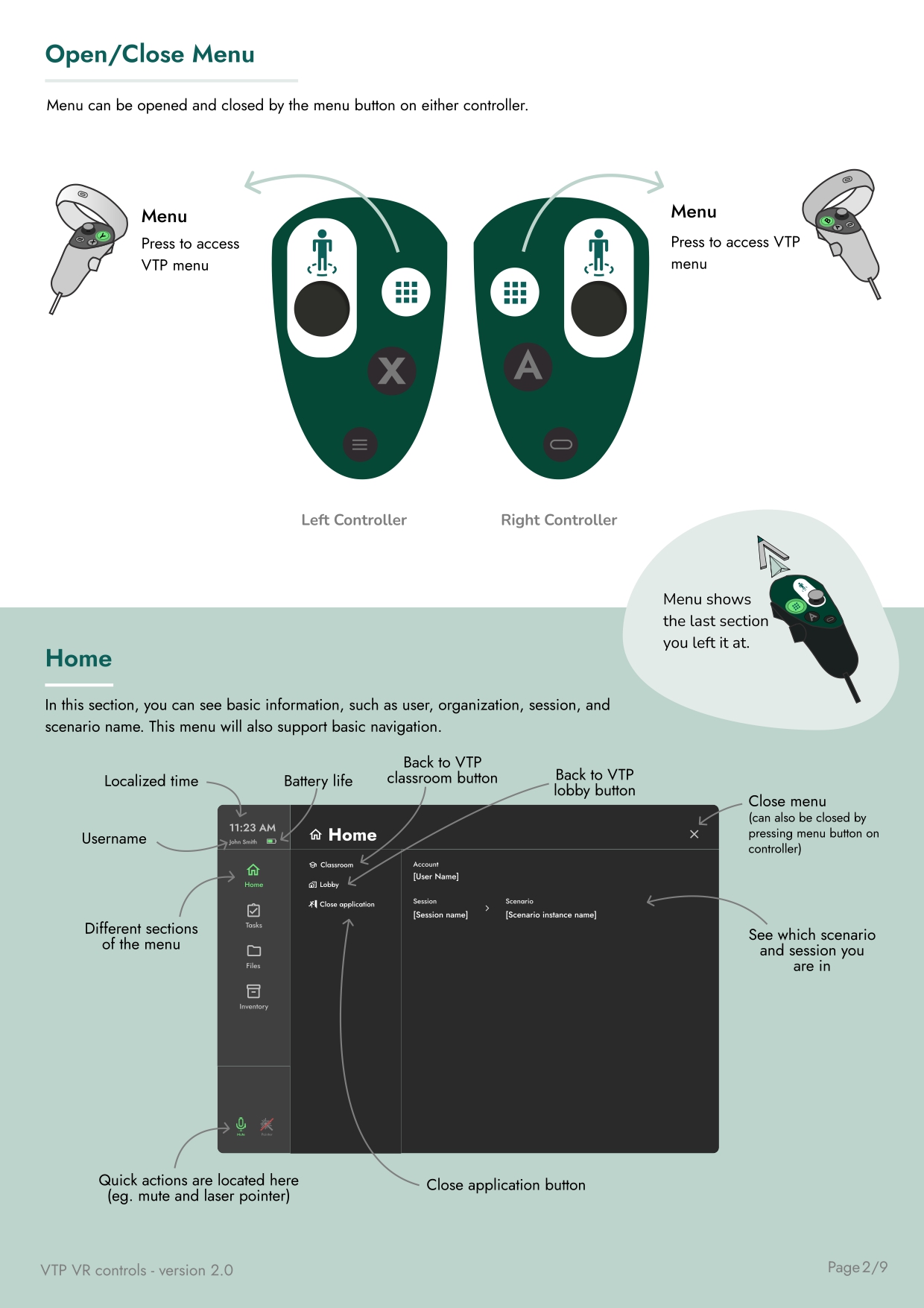
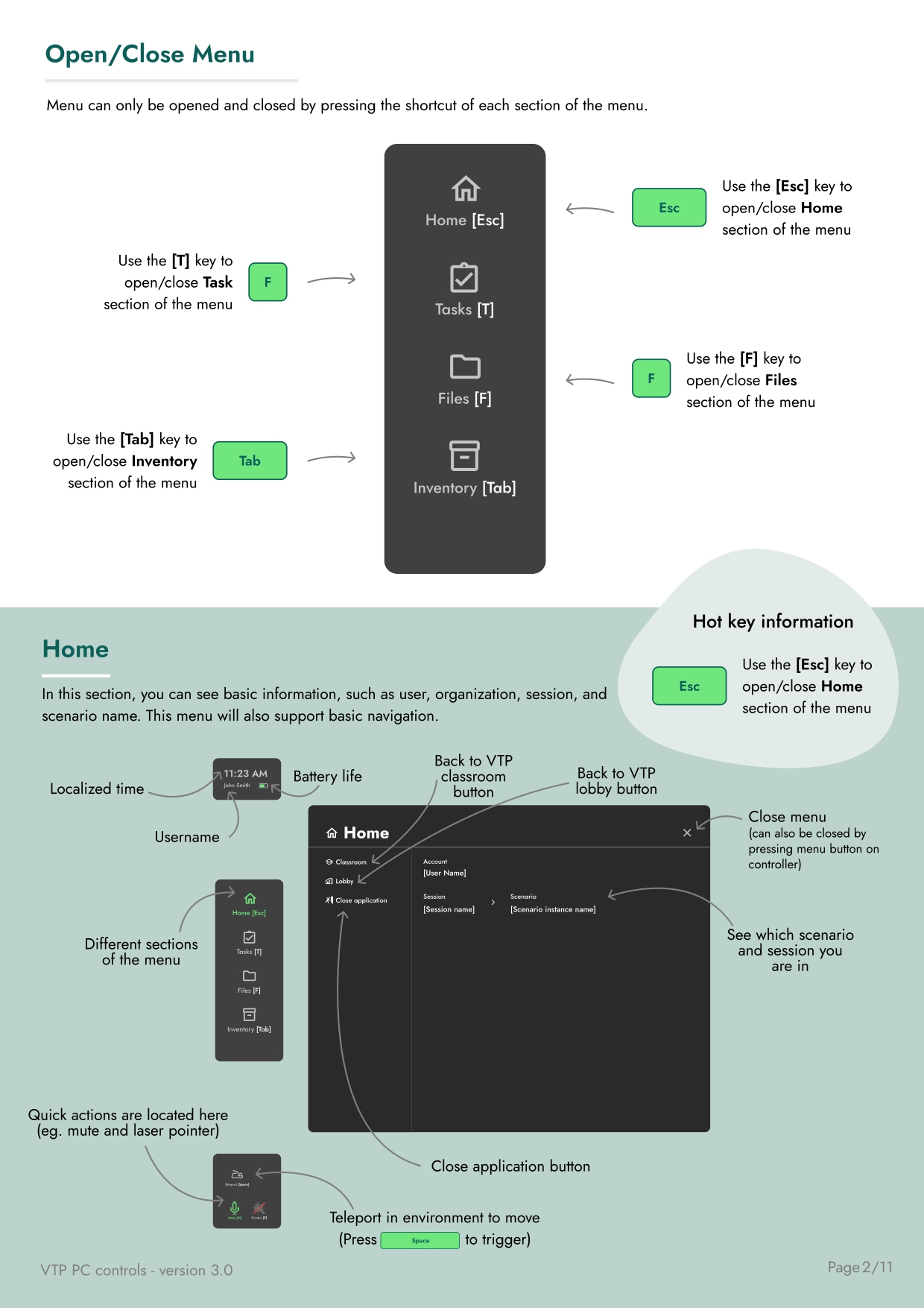
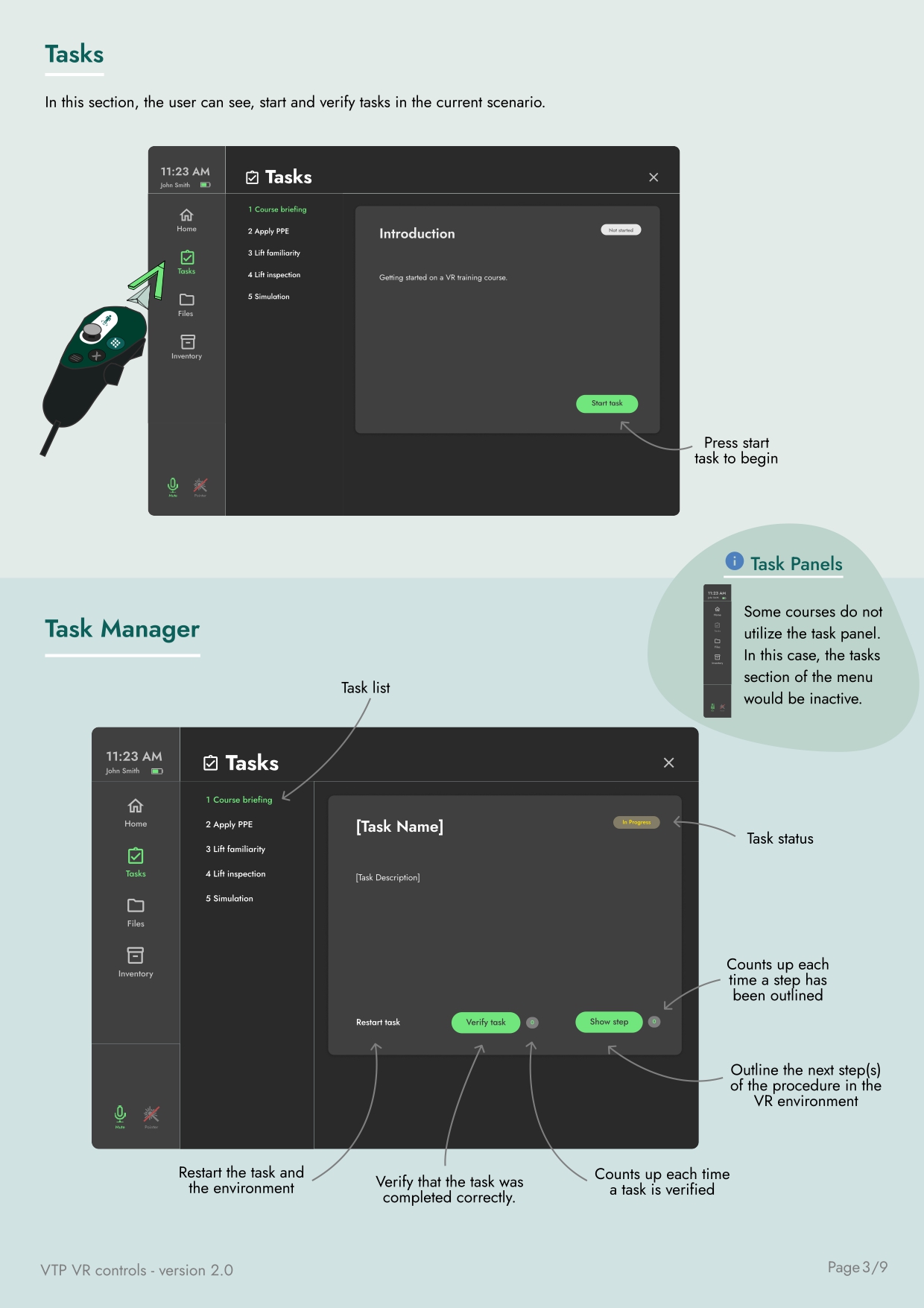
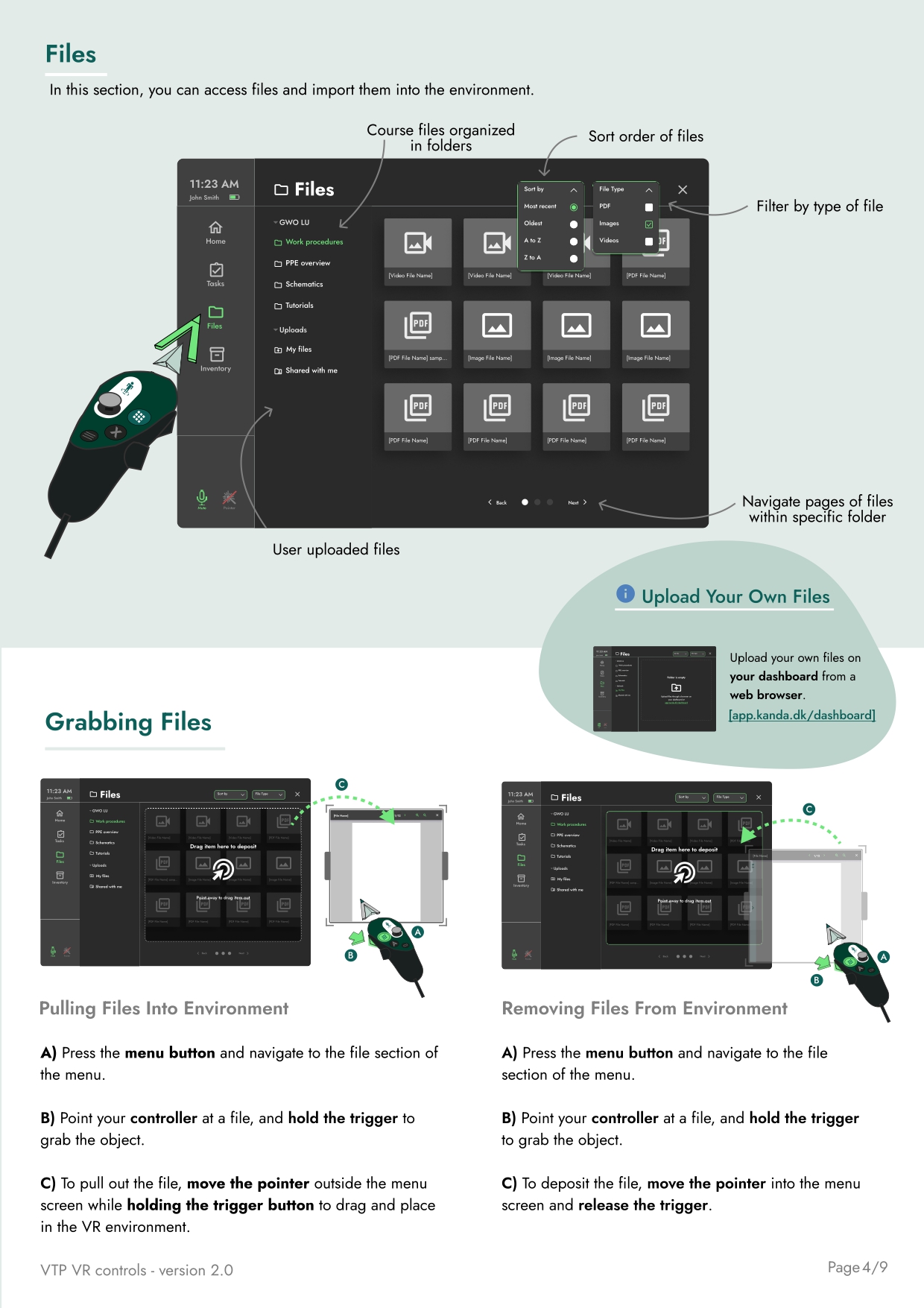
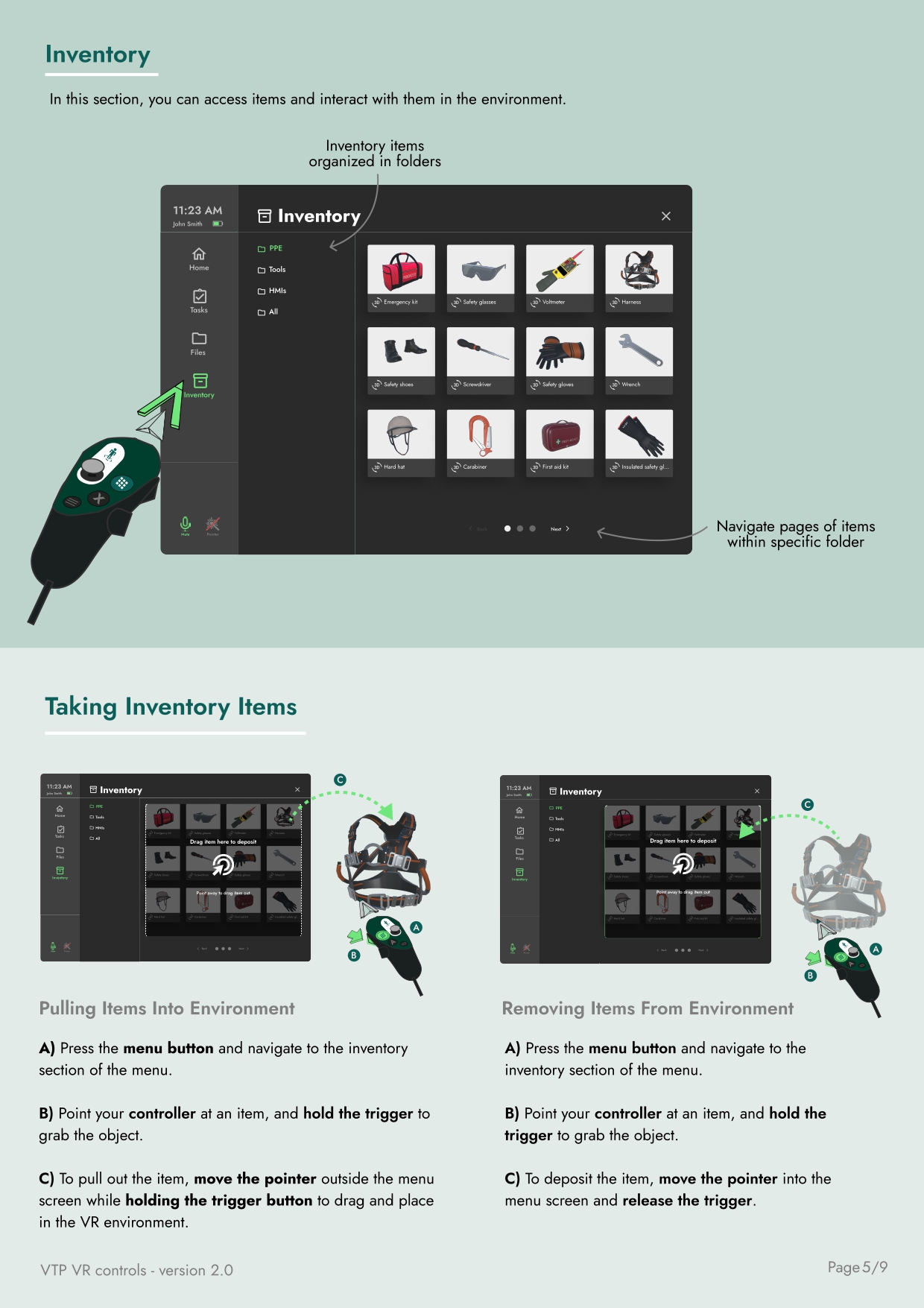
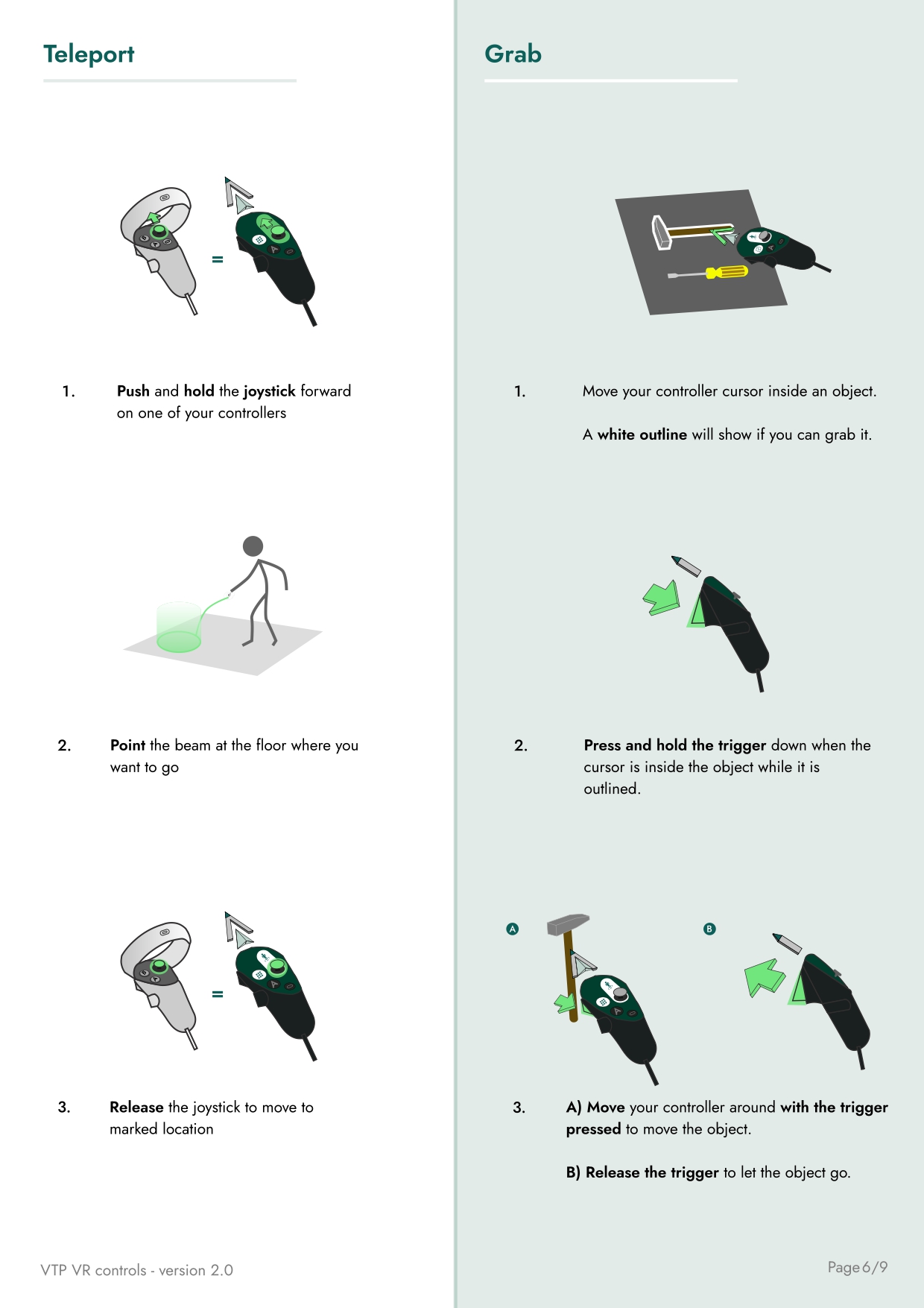
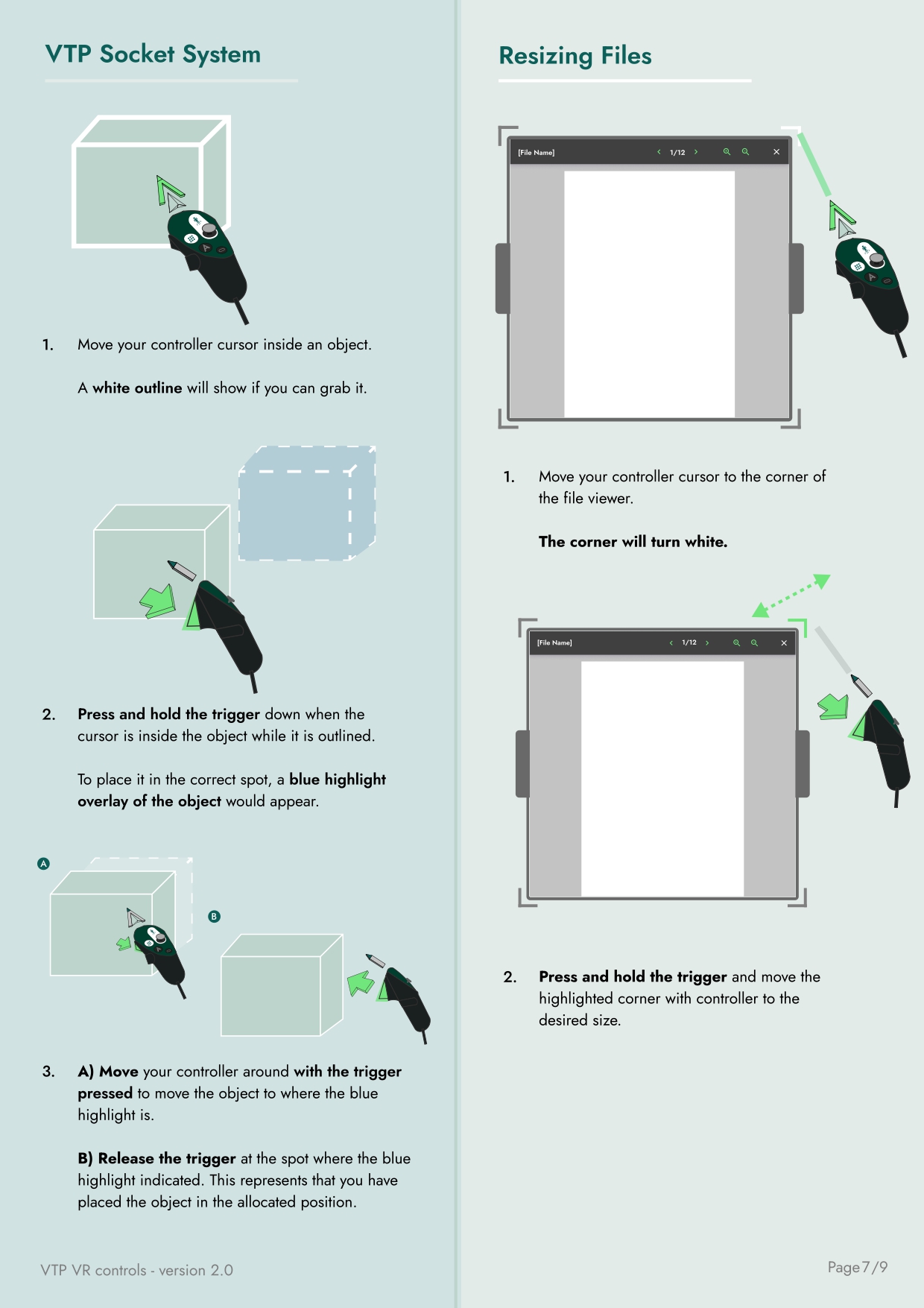
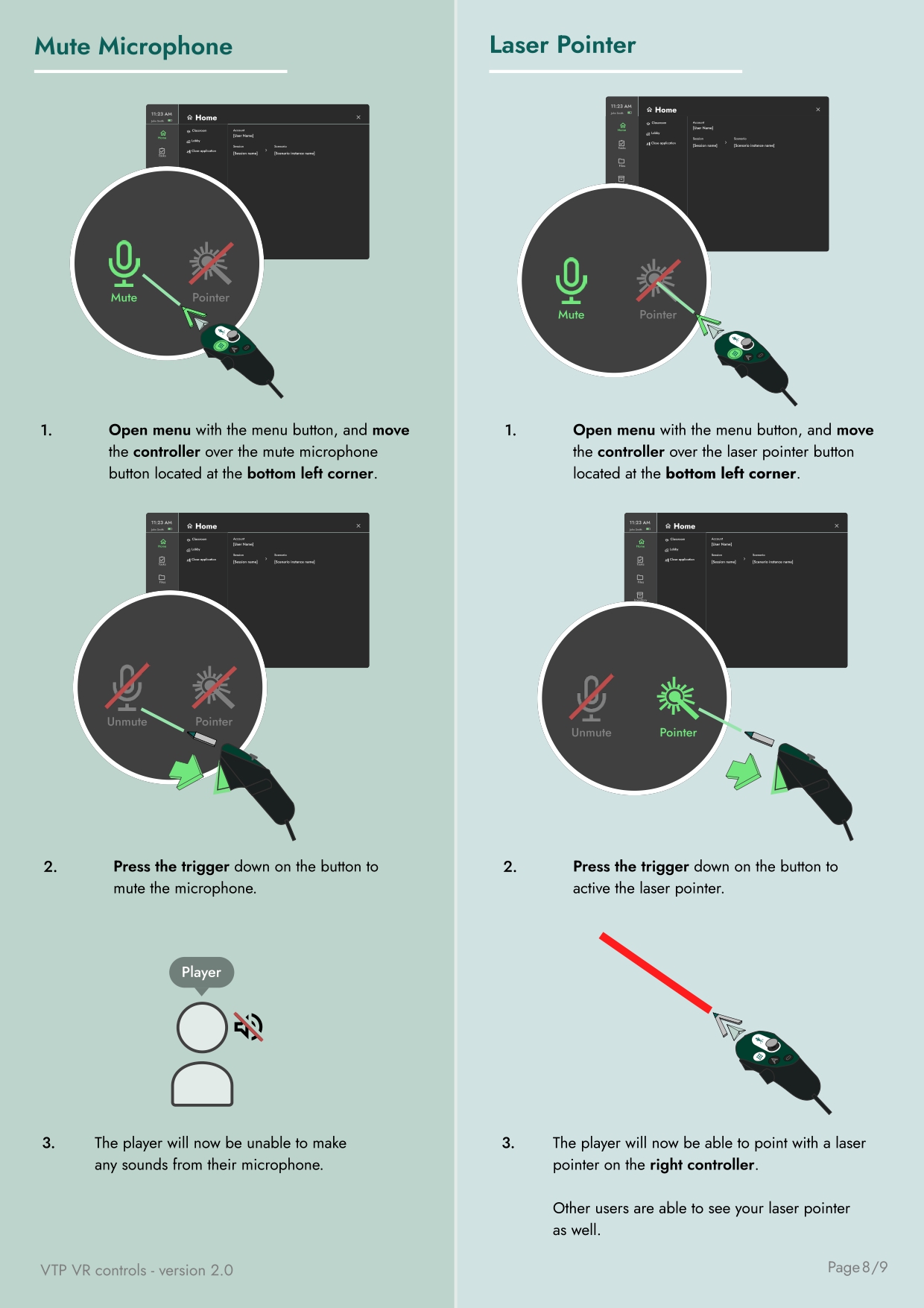
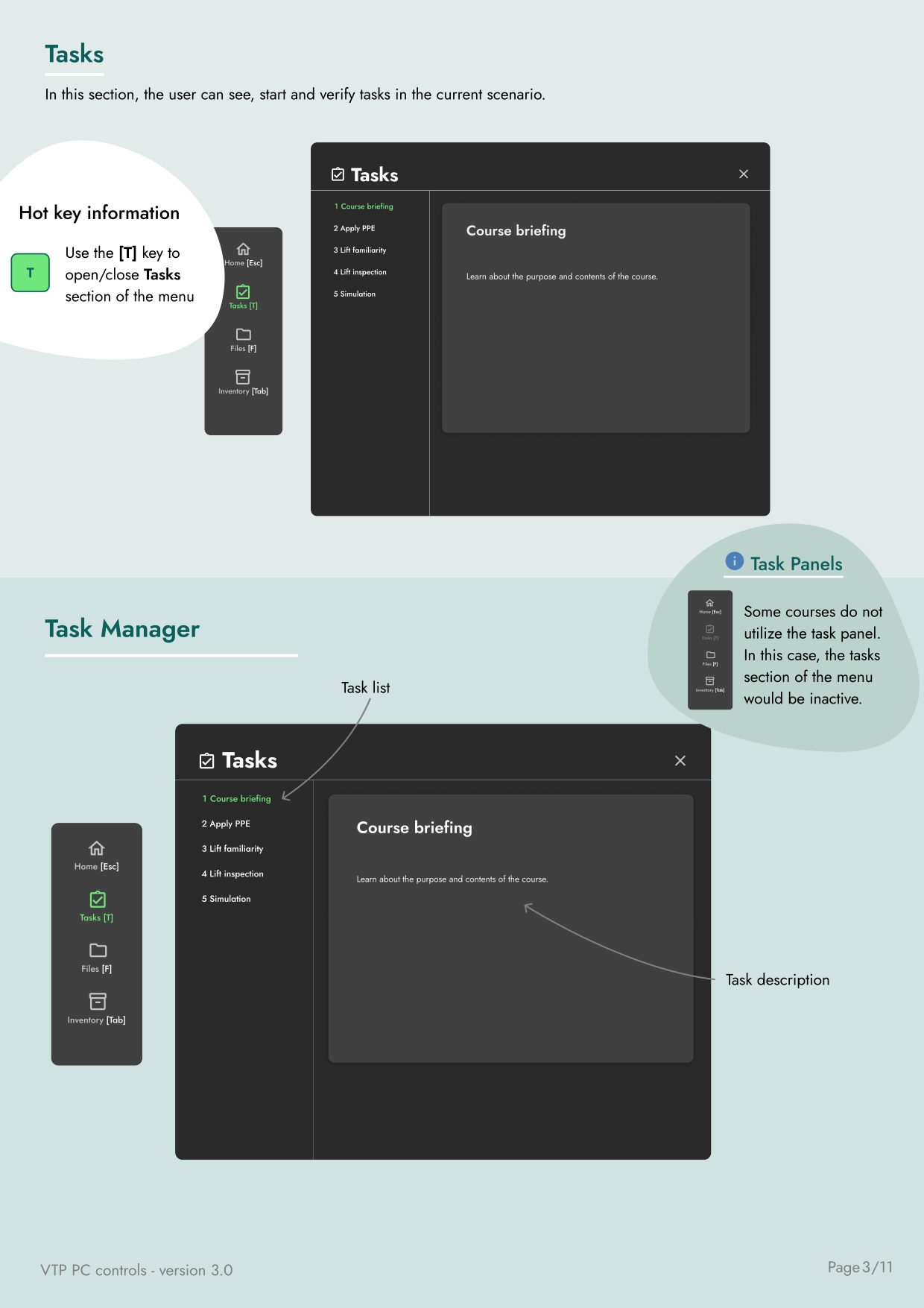
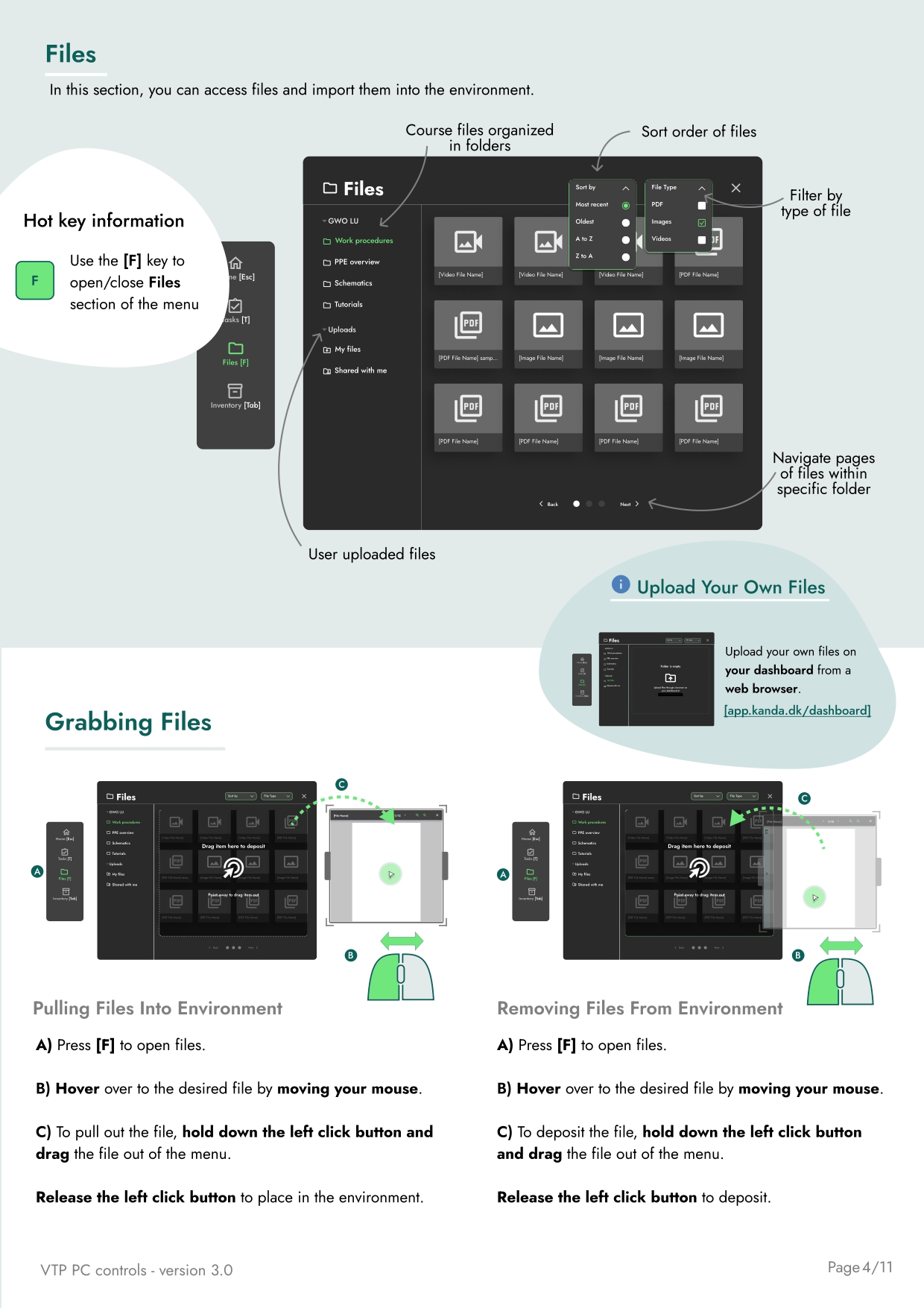
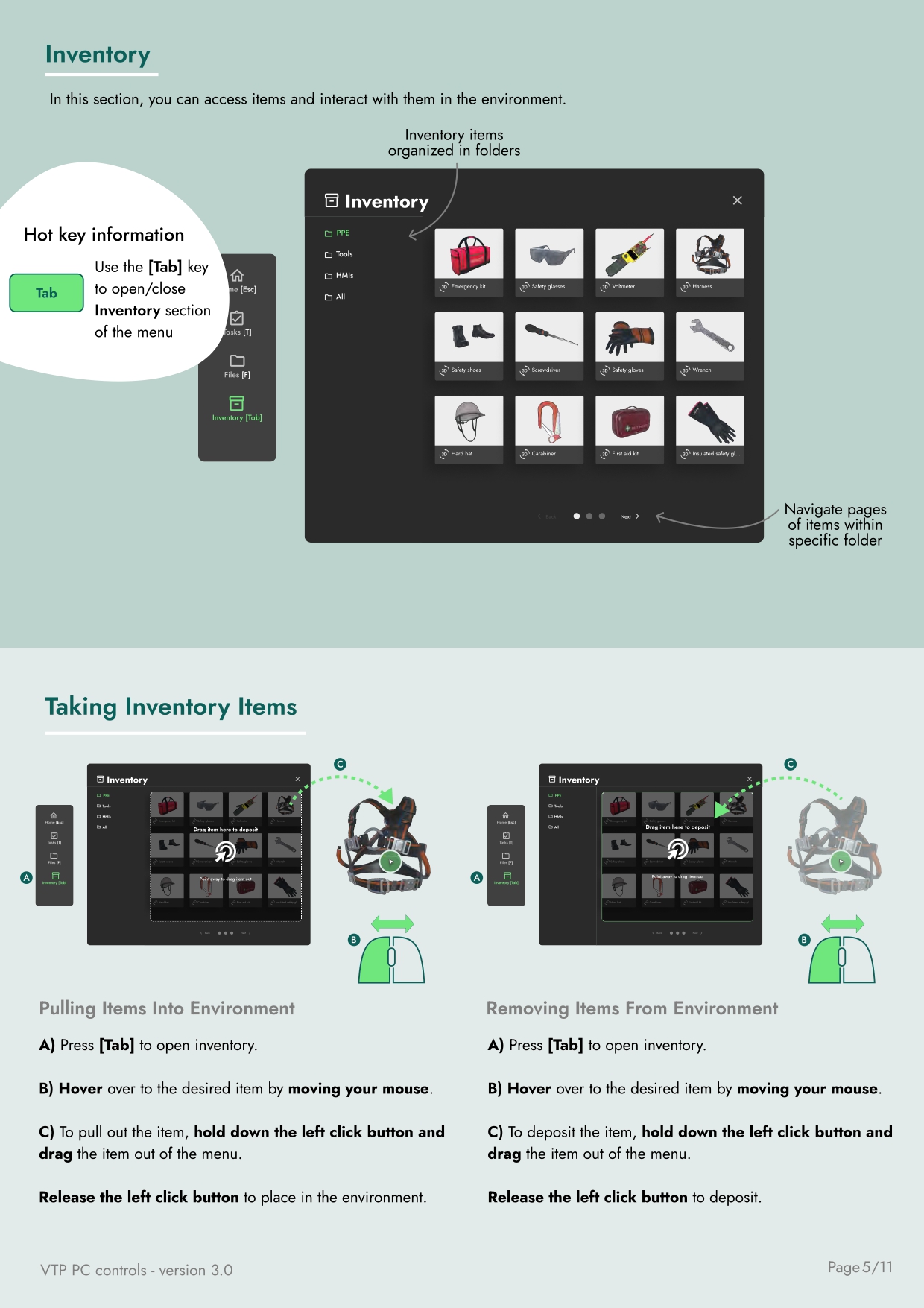
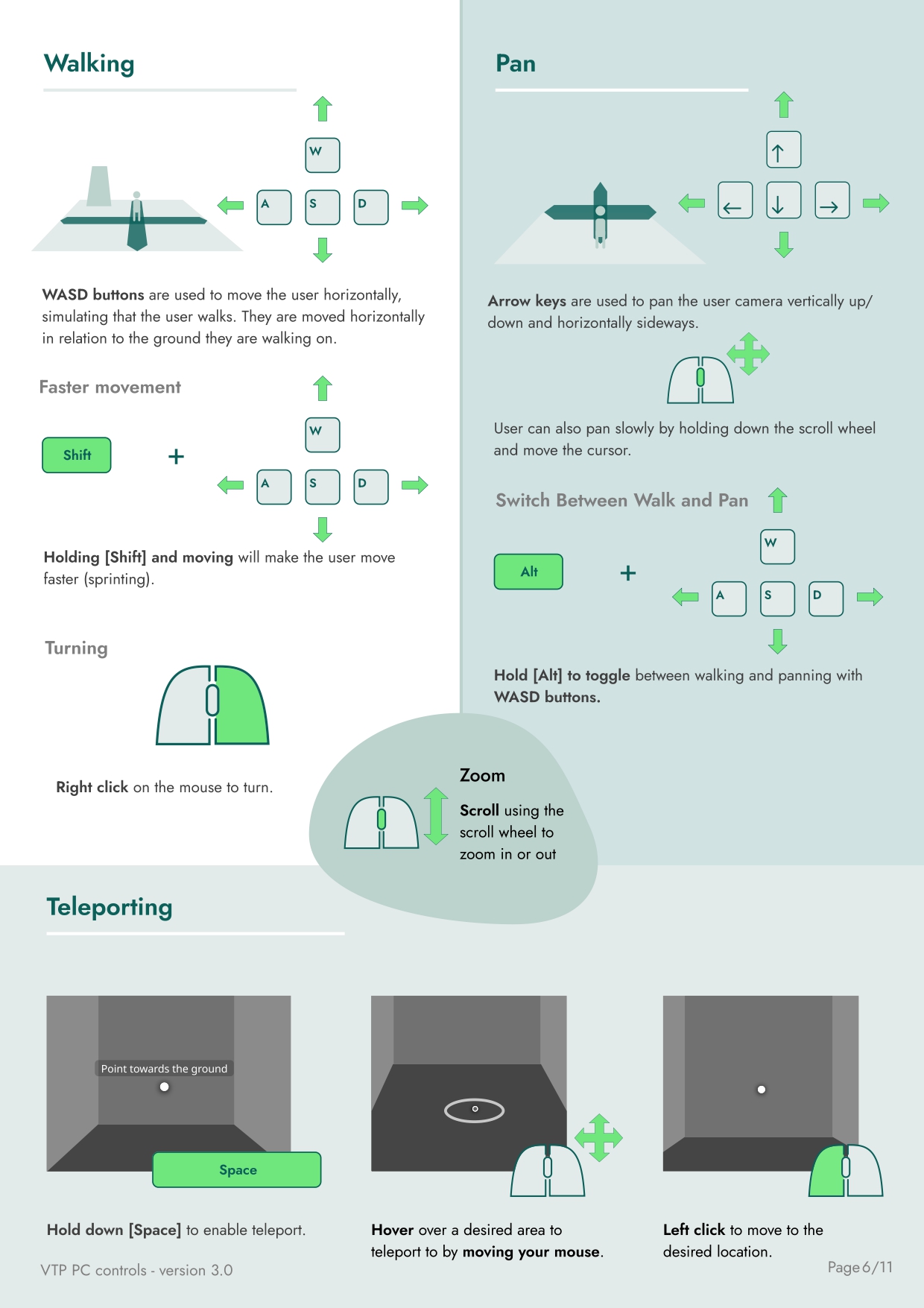
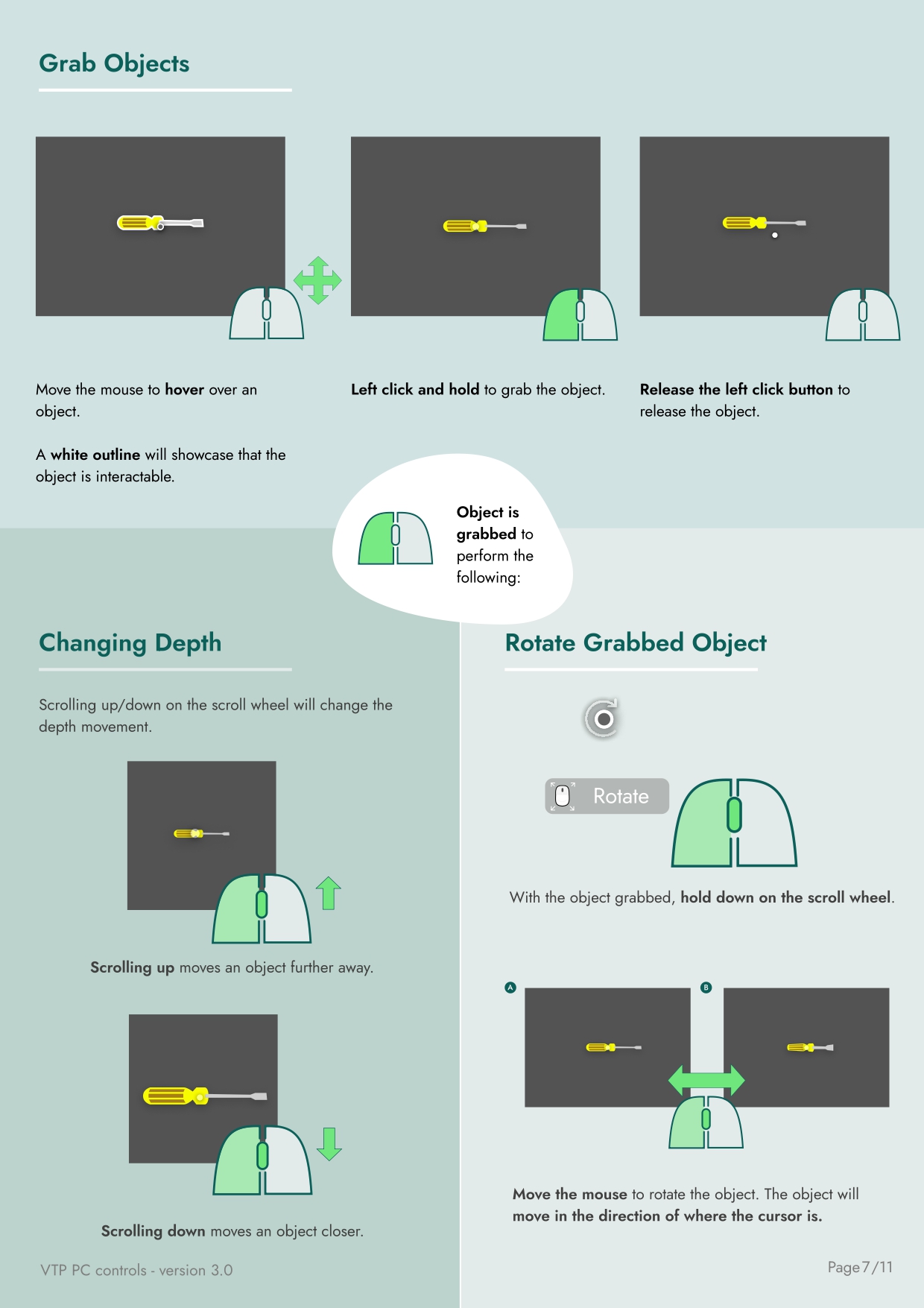
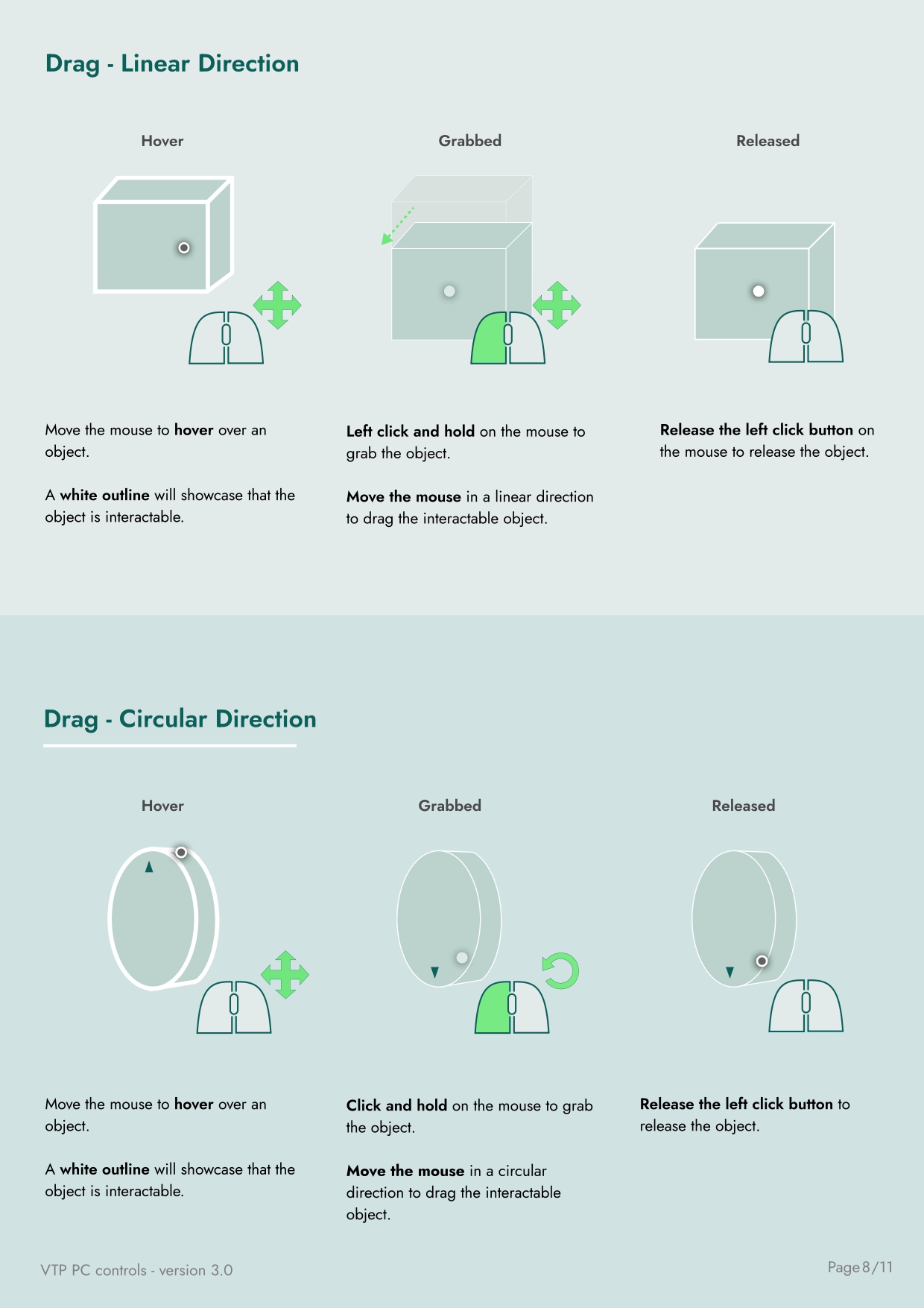
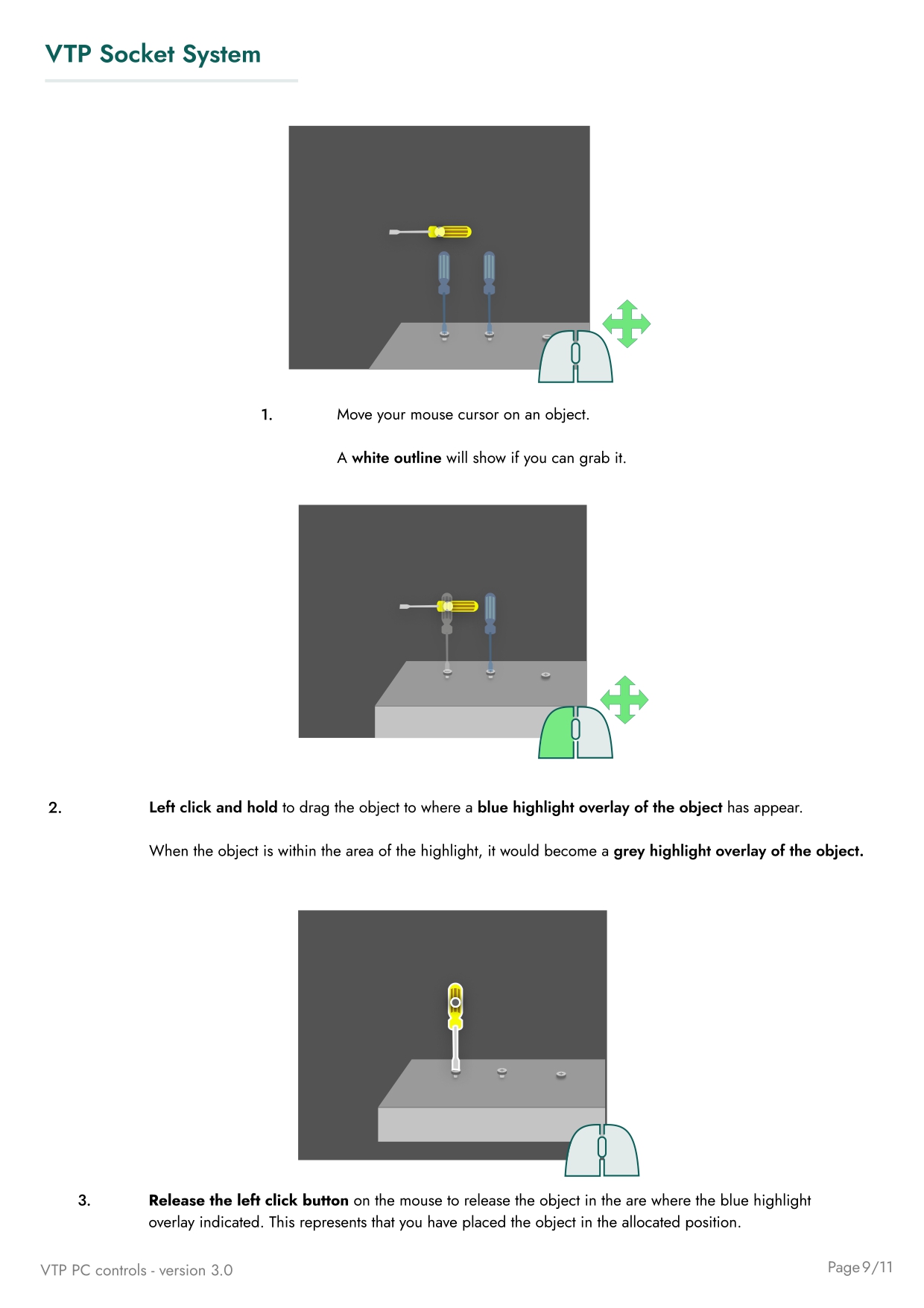
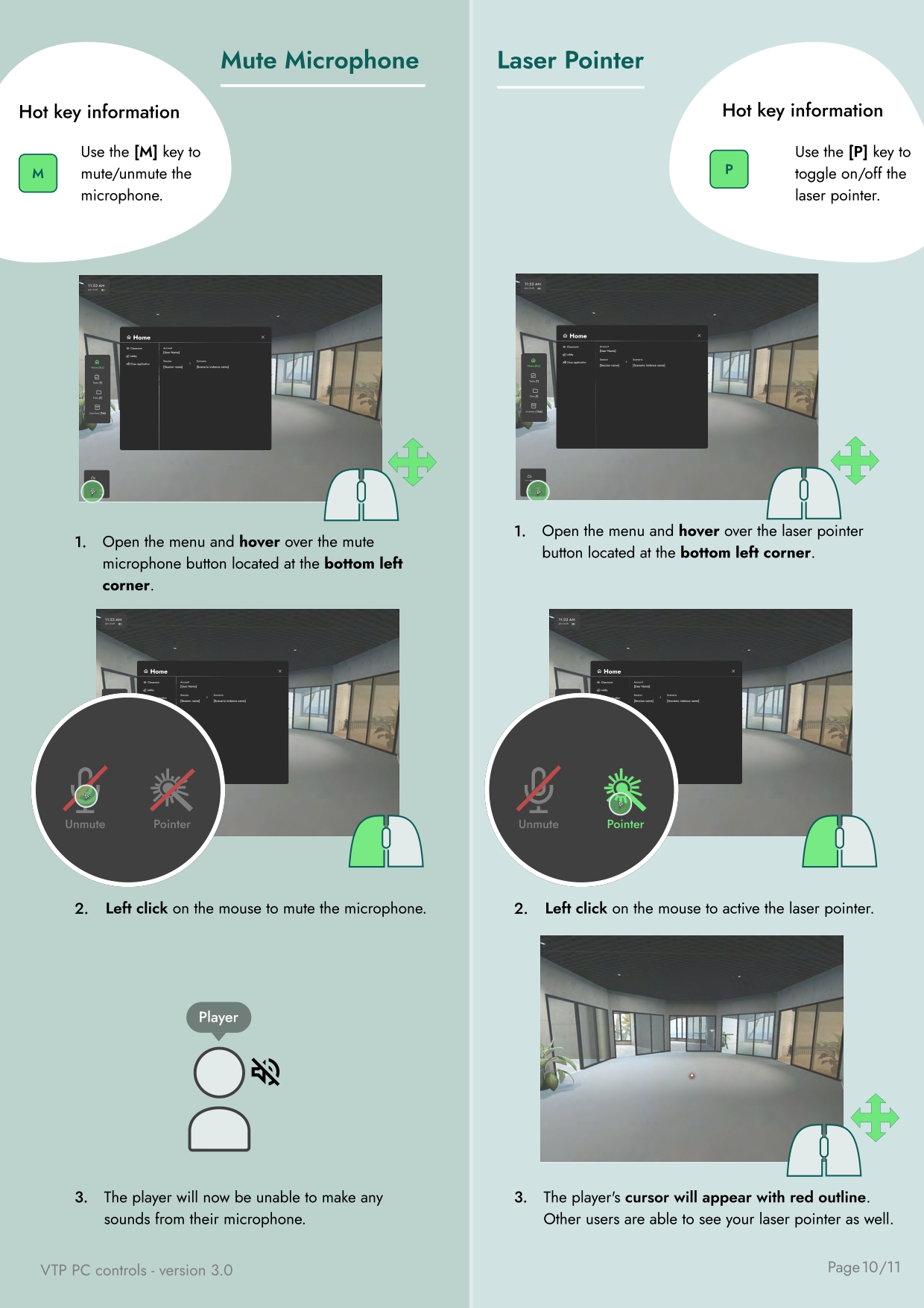
Over the course of the years, I have created various of ogranized design documentations, and video + PDF tutorials. As well as creating brand guidelines documentation, and presentation templates. In this section, I will highlight the PDFs for controls on how to use the "tablet" menu for VR and PC. This documentation adds explainer texts to my design documentation in Figma to make it more presentable for new users.
VR Menu Controls
VR Menu Section
Tasks
VR Menu Section
Files
VR Menu Section
Inventory
VR Menu Section
Movement
VR Menu Section
Features
VR Menu Section
Features
PC Menu Controls
PC Menu Section
Tasks
PC Menu Section
Files
PC Menu Section
Inventory
PC Menu Section
Movement
PC Menu Section
Grabbing Objects
PC Menu Section
Drag objects
PC Menu Section
Socket System
PC Menu Section
Features
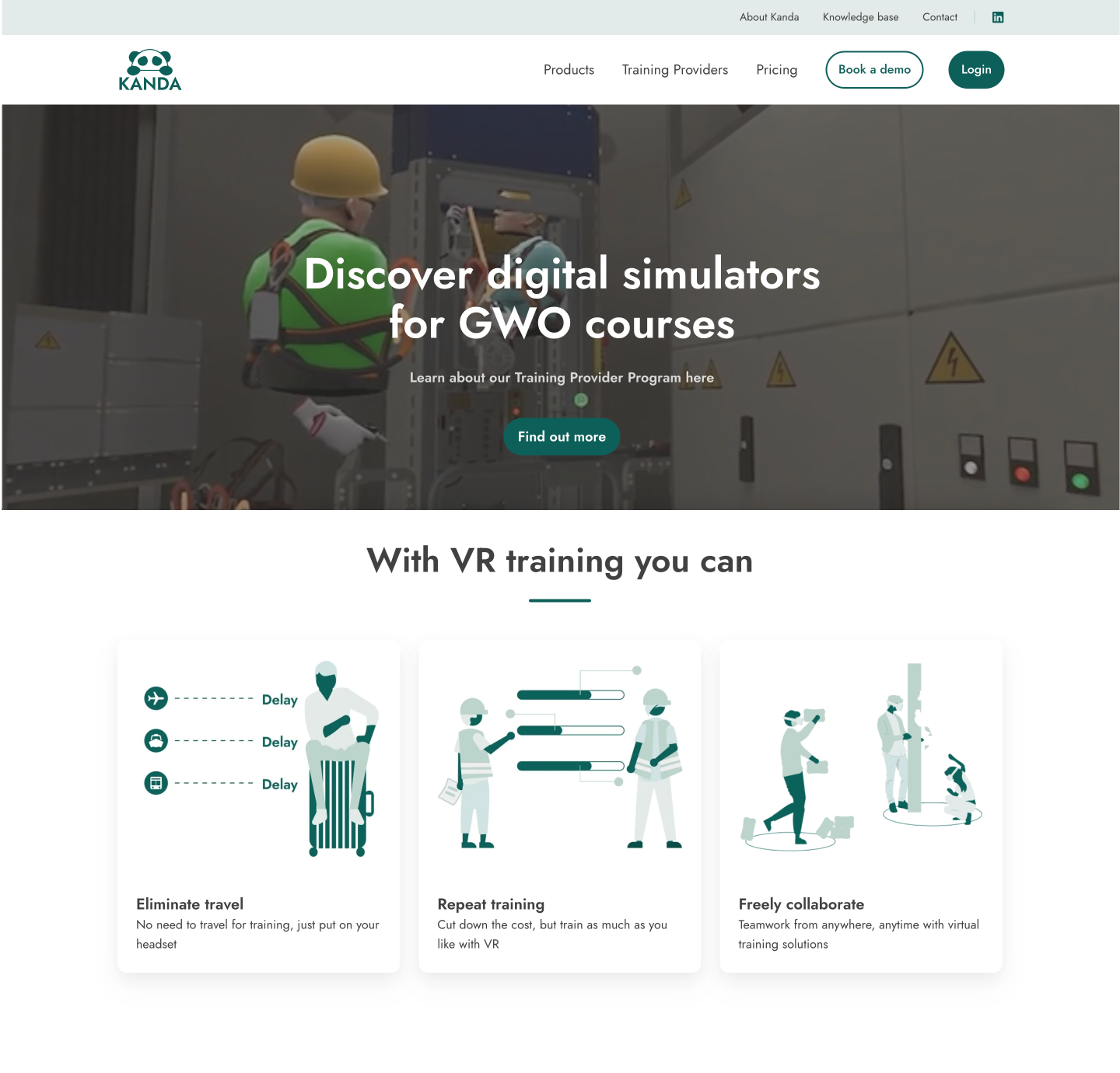
Main focus on the website design were on creating more animated content to make it more attractive for readers when there are no images/video content to show. Therefore, I got the chance to create a lot of simple, minimalistic graphical illustrations as well as having some animated and interactive web content.
A Closer Look...
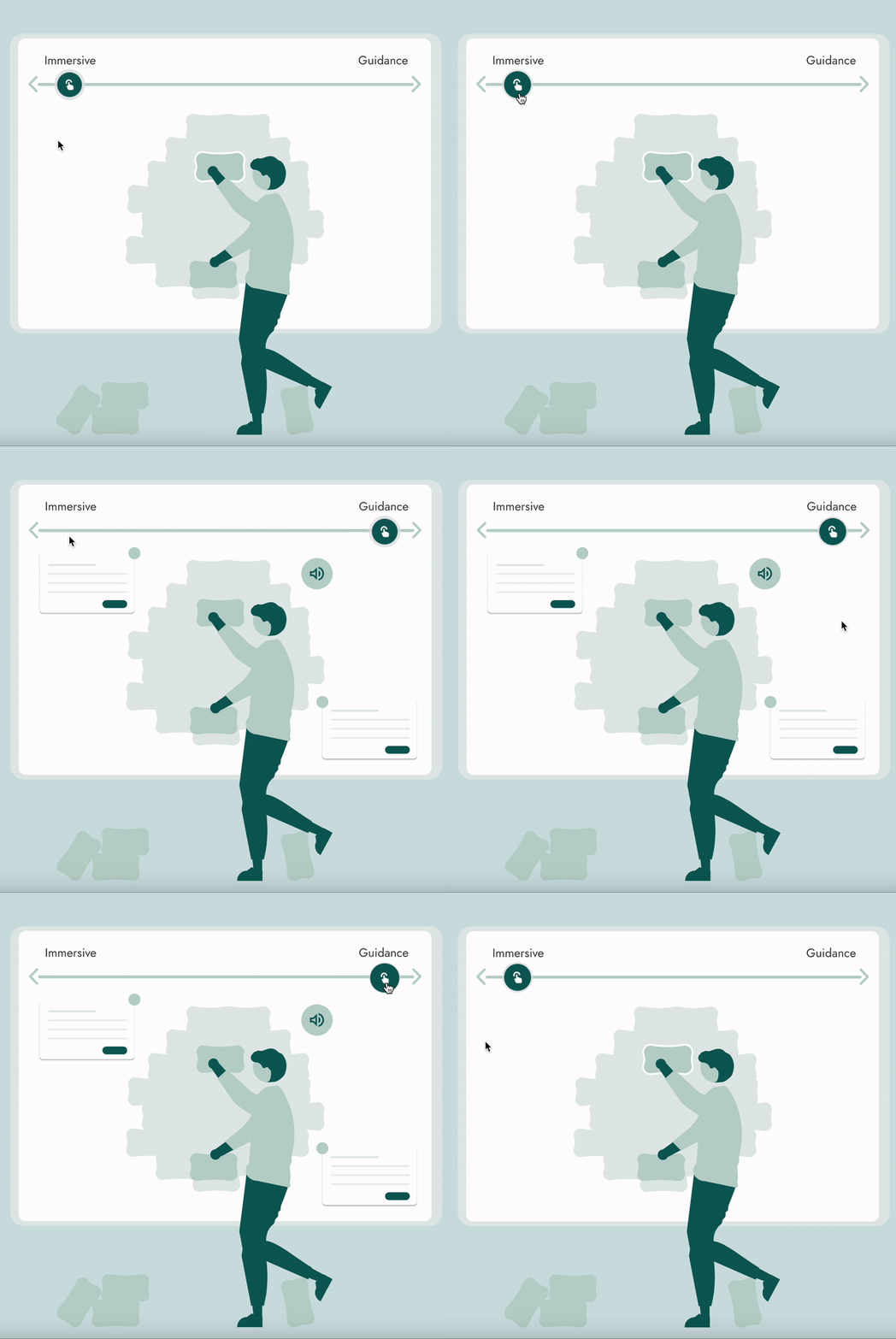
Interactive Graphic
User can interact with the illustration to see differrent information
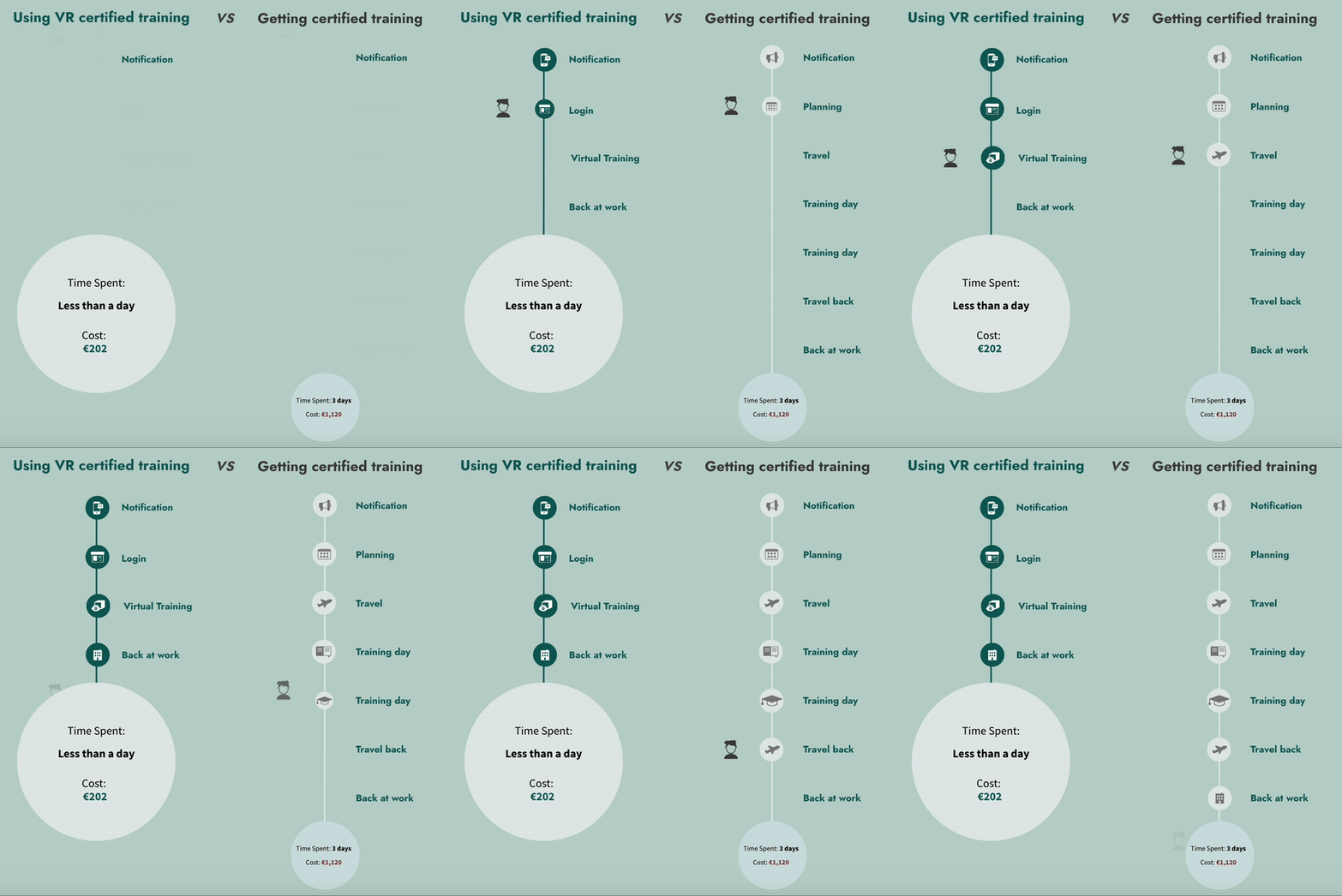
Animated Timeline
Animated graphic displaying a comparision timeline
Graphic illustration
Additional simplistic graphic illustration